





INTERNATIONAL TRADE - Pignoramenti più snelli dal 10 gennaio 2015 in Europa (Reg. n° 1215/2012 UE «Bruxelles- I bis»).

Il 10 gennaio 2015 è entrato in vigore il Regolamento europeo n° 1215/2012 (chiamato «Bruxelles- I bis») che disciplina il riconoscimento delle decisioni straniere nonché l’esecuzione delle sentenze in materia civile e commerciale, all’interno dello Spazio Giuridico Europeo. Il Regolamento sostituisce il precedente (n° 44/2001), gran parte del quale è stato trasfuso nel testo delle nuove norme che dettano le regole per consentire l’attuazione in uno Stato Membro delle pronunce rese in giudizio in un altro Stato Membro dell’Unione europea. Il business commerciale, quindi, incontrerà meno ostacoli alla soddisfazione in concreto delle pretese creditorie. In particolare, spicca la questione dell’abolizione della procedura di exequatur, ovverosia della fase iniziale con cui, in via sommaria e de plano, il giudice nazionale verificava la sussistenza dei presupposti per l’attribuzione della esecutività della decisione adottata in uno Stato membro. L’art. 39 del Regolamento n° 1215/12 dispone: «la decisione emessa in uno Stato membro che è esecutiva in tale Stato membro è altresì esecutiva negli altri Stati membri senza che sia richiesta una dichiarazione di esecutività». 
Continuar leyendo

Imprimir Correo electrónico

INTERNATIONAL TRADE - Greenwood, Global Law summit: "can international law change the world?"

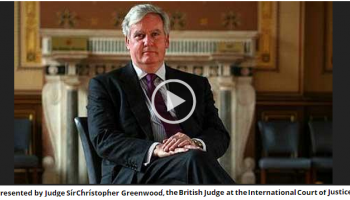
Presented by Judge Sir Christopher Greenwood, the British Judge at the International Court of Justice.

(Wednesday, 25 February 2015) To mark the Global Law Summit Judge Sir Christopher Greenwood, the British Judge at the International Court of Justice presented a lecture entitled ‘Can International Law change the world?’. The lecture was hosted at the Residence of the British Ambassador, Sir Geoffrey Adams, on Tuesday, 24 February. In attendance were Ambassadors in The Hague, Embassy legal advisers and other officials in the Hague-based courts and tribunals.

>>> Video-recording of the interview with Judge Sir Christopher Greenwood, the British Judge at the International Court of Justice


Imprimir Correo electrónico

INTERNATIONAL TRADE - Think twice before beginning trading negotiations.

About art. 1.7 Unidroit Principles (2010)
> Good faith and fair dealing <

(1) Each party must act in accordance with good faith and fair dealing in international trade.
(2) The parties may not exclude or limit this duty.

* * *
Before entering into a binding agreement, a potential purchaser and a potential seller have to show interest in something and keep confidential any information received during negotiations. Infact, when business negotiations take place, it is quite usual that parties sign an informal document, called Preliminary, after prolonged, and often tough, negotiations. But always relevant negotiations open by sending email, memo and letter-writing, interviewing and telephoning, letter of intent, and so on.
The progress of commercial negotiations (including projects, proposals, strategies, understandings, commitments, agreements, contracts and the whole exchange of information between parties, including but not limited to communications to facilitate pending negotiations) have always to involve in an open, honest and fair dealing business.
Engaging in private dealings with someone for purchasing/partnering involves duties and responsibilities, since the beginning of the trading relationship, requires good faith and fair dealing.
Good faith and fair dealing are a fundamental idea underlying the Principles of Unidroit, because each party must act in accordance with good faith and fair dealing, even without of special provisions in the Principles the parties’ behaviour throughout the life of the contract, including the negotiation process, must conform to these rules.

Continuar leyendo

Imprimir Correo electrónico

INTERNATIONAL TRADE - Alpa, Global Law summit: Rule of law motore di crescita.

Global Law summit

(Intervento del presidente Guido Alpa al Global Law summit di Londra (23/25 February 2015, The Queen Elizabeth II Conference Centre, and Central Hall Westminster, London), da Newsletter C.N.F. n° 242 del 03.03.2015).

Per celebrare gli ottocento anni della Magna Carta Libertatum il Ministero della Giustizia inglese, gli ordini nazionali dei barristers e dei solicitors, insieme a alcuni dei grandi studi legali internazionali, hanno organizzato a Londra un Global Summit, che si è tenuto in questi giorni, a cui sono stati invitati più di mille giuristi. Il Summit non era dedicato alla ricognizione storica del documento, che per comune opinione, e per tradizione, costituisce il più significativo atto giuridico e politico volto a disegnare i principi della “Rule of law”, espressione con la quale si allude allo Stato di diritto di continentale concezione: le libertà fondamentali inerenti la persona, l’ assoggettamento di ogni imputato ad un processo legittimo, la soggezione alla legge di ogni potere, anche quello del monarca. Il documento storico - con le novità recenti determinate dalle scoperte d’archivio raccontate in modo gustoso da Vincent, TLS, nel fascicolo di Febbraio, a p.14 ss - in realtà riguardava la rivolta dei baroni contro Giovanni Senzaterra, ma i principi formulati nell’atto erano destinati ad avere effetto nei confronti di tutti gli individui. E storicamente a quel documento si sono poi rifatte le costituzioni moderne, come se quei principi fossero universali e atemporali. Prendendo lo spunto da quel primo embrionale documento costituzionale, il Summit ha posto ai giuristi la questione del significato attuale della Rule of Law e del suo futuro. 

Continuar leyendo

Imprimir Correo electrónico

INTERNATIONAL TRADE - Unidroit study: Issues relating to Long-Term Contracts

the Villa Aldobrandini in Rome

Continuar leyendo

Imprimir Correo electrónico

Más artículos...